Color Psychology: How Your Paint Choices Influence Mood and Productivity Jun 16, 2026
Colors are more than just aesthetic choices; they can evoke emotions, influence decisions, and even affect how we perceive space and time. In interior spaces, the effect of color is intensified as we experience it for prolonged periods. For instance, studies show that the color red can increase heart rate and stimulate energy, making it ideal for spaces where physical activity occurs. On the other hand, blue is known for its calming effects, reducing stress and enhancing concentration – making it a great choice for office settings or study areas.
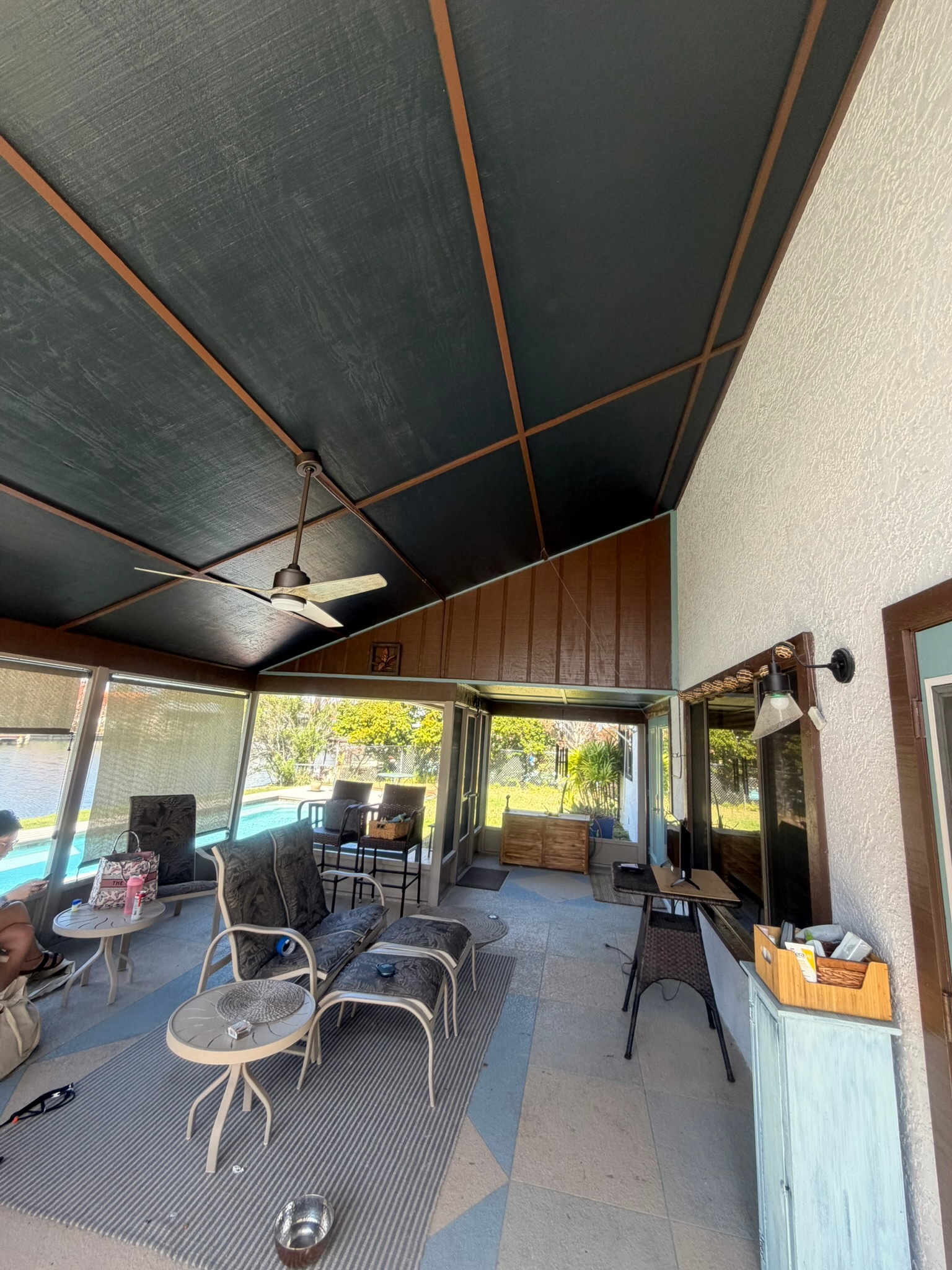
Warm colors such as reds, oranges, and yellows are vibrant and eye-catching, often used to create cozy and inviting atmospheres. These hues can inspire conversation and interaction, making them perfect for living rooms and dining areas. However, it’s essential to use them sparingly in spaces like bedrooms, where relaxation is key. Alternatively, cool colors such as greens, blues, and purples are soothing and can help in relaxation and creating a serene environment. They work well in bedrooms and bathrooms, where one can unwind and recharge.
Beyond mood, paint colors also influence productivity. For a home office, where focus and creativity are crucial, consider shades of green. Green is often associated with balance and harmony, which fosters an environment conducive to clear thinking and efficiency. Furthermore, light blue shades can promote a sense of calm and improved communication, which can be beneficial in meeting or collaborative workspaces.
To create a more personalized and harmonious environment, it's important to assess not only the desired mood but also the natural lighting in your space. Natural daylight can dramatically alter how a color appears, providing either warmth or starkness to a space. Likewise, artificial lighting can accentuate or downplay particular hues, so it's wise to test paint swatches during different times of the day to see how they appear in various lighting conditions.
For those looking to boost creativity, consider incorporating accents of yellow or violet. Yellow can stimulate the mind and is often linked to optimism and energy, making it suitable for creative studios or children's playrooms. Meanwhile, violet, a luxurious and introspective color, can inspire a sense of mindfulness and contemplation.
It's also worth noting that the psychological impact of color can vary based on personal experiences and cultural differences. Therefore, while general guidelines are helpful, trusting your instincts and personal preferences is key. At Paps Painting, we provide expert consultations to help you explore color palettes that not only suit your tastes but also support your daily activities and emotional well-being.
In conclusion, the colors you choose for your interiors can have a significant impact on mood and productivity. By understanding and strategically applying the principles of color psychology, you can transform your spaces into environments that support and enhance your lifestyle. With Paps Painting, crafting the perfect atmosphere in your home or office becomes a thoughtful and fulfilling endeavor.
/filters:no_upscale()/filters:format(webp)/media/3c28b7db-ae1f-48e0-8088-5004c65df5fe.png)